Troubleshooting Furnace Pilot Light Problems
Our experienced technicians are ready to help with HVAC repair, maintenance, or new system installation—residential or commercial

Troubleshooting Furnace Pilot Light Problems: How to Diagnose, Fix, and Maintain Your Heating System
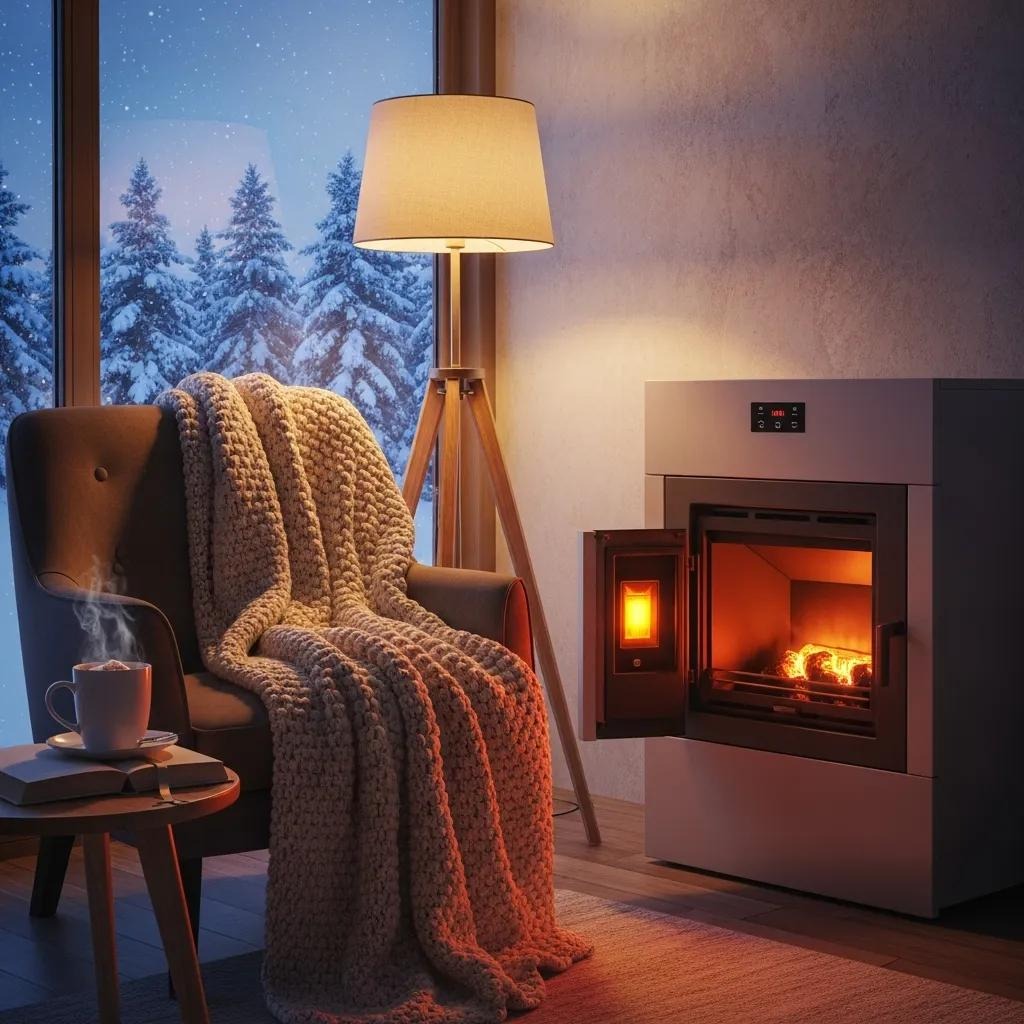
Furnace pilot light problems can be a significant source of frustration for homeowners, especially during the colder months when reliable heating is essential. Understanding the common issues that can cause a pilot light to fail is crucial for effective troubleshooting and maintenance. This article will guide you through diagnosing, fixing, and maintaining your heating system, focusing on the intricacies of pilot light functionality. By addressing these issues promptly, you can ensure your furnace operates efficiently and safely, ultimately saving on energy costs and preventing further complications. We will explore the common causes of pilot light failures, safe relighting procedures, when to call a professional, and preventative maintenance tips to keep your heating system in top shape.
This guide is written for homeowners and DIY-savvy readers who want practical, actionable information. It assumes no advanced technical background: where a task requires special tools or training, we call that out and recommend contacting a qualified technician. Wherever possible we explain why a symptom appears and what the typical, safe responses are so you can make informed decisions about repair, replacement, and routine care.
Why Won't My Furnace Pilot Light Stay Lit? Common Causes Explained
A pilot light that won't stay lit can be attributed to several common issues, each requiring specific attention. Understanding these causes is essential for effective troubleshooting and ensuring your heating system operates efficiently.
Use the short checklist below to narrow the problem before you begin hands-on work: check for visible soot or discoloration at the pilot, look for drafts or open windows near the furnace, confirm the thermostat and power to the unit are set and functioning, and note any gas smell or unusual sounds. Recording these observations helps if you end up calling a technician.
How Does a Thermocouple Affect Pilot Light Stability?
The thermocouple is a critical component in the pilot light system, serving as a safety device that detects whether the pilot light is lit. When the pilot light is functioning correctly, the thermocouple generates a small electrical current that keeps the gas valve open, allowing gas to flow. If the pilot light goes out, the thermocouple cools down and stops producing this current, which in turn closes the gas valve to prevent gas leaks. A faulty thermocouple can lead to the pilot light extinguishing frequently, indicating that it may need replacement or adjustment to ensure stable operation.
Practical signs of thermocouple problems include a pilot that lights but won’t stay, an irregular flame shape (too weak or too yellow), or visible corrosion at the thermocouple tip or connection. A careful visual inspection—after you shut off and isolate the unit—can reveal loose wiring or a bent thermocouple that isn't positioned correctly in the pilot flame. Where safe and possible, gently cleaning the tip with fine emery or replacing the thermocouple assembly are common solutions.
Note: while some thermocouple adjustments are simple, replacing it typically requires shutting off the gas and sometimes partial disassembly. If you are unsure or uncomfortable, have a qualified HVAC technician perform the replacement to ensure correct sizing and secure fittings.
What Role Does the Gas Valve Play in Pilot Light Issues?
The gas valve is another crucial element in the pilot light system, controlling the flow of gas to the pilot light and the main burner. If the gas valve is malfunctioning, it may not supply enough gas to keep the pilot light lit, or it may close unexpectedly. Signs of a malfunctioning gas valve include a weak or flickering pilot light and the smell of gas. Regular inspection and maintenance of the gas valve are essential to ensure it operates correctly and safely.
Gas valve problems can stem from internal wear, contamination, or electrical/control faults that prevent the valve from staying open. If a valve is sticking or failing to hold pressure, a technician will test the valve operation, inspect the gas line connections and pilot orifice, and check related control components. In many cases the valve itself is replaced rather than repaired because replacement restores reliable operation and eliminates intermittent faults.
Routine maintenance—keeping the area around the valve clean, ensuring connections are tight, and checking for signs of leakage or rust—helps catch developing issues early. If you ever detect the distinct odor of gas, evacuate the area and contact your gas supplier or emergency service before attempting further troubleshooting.
How Can I Safely Relight a Furnace Pilot Light? Step-by-Step Guide
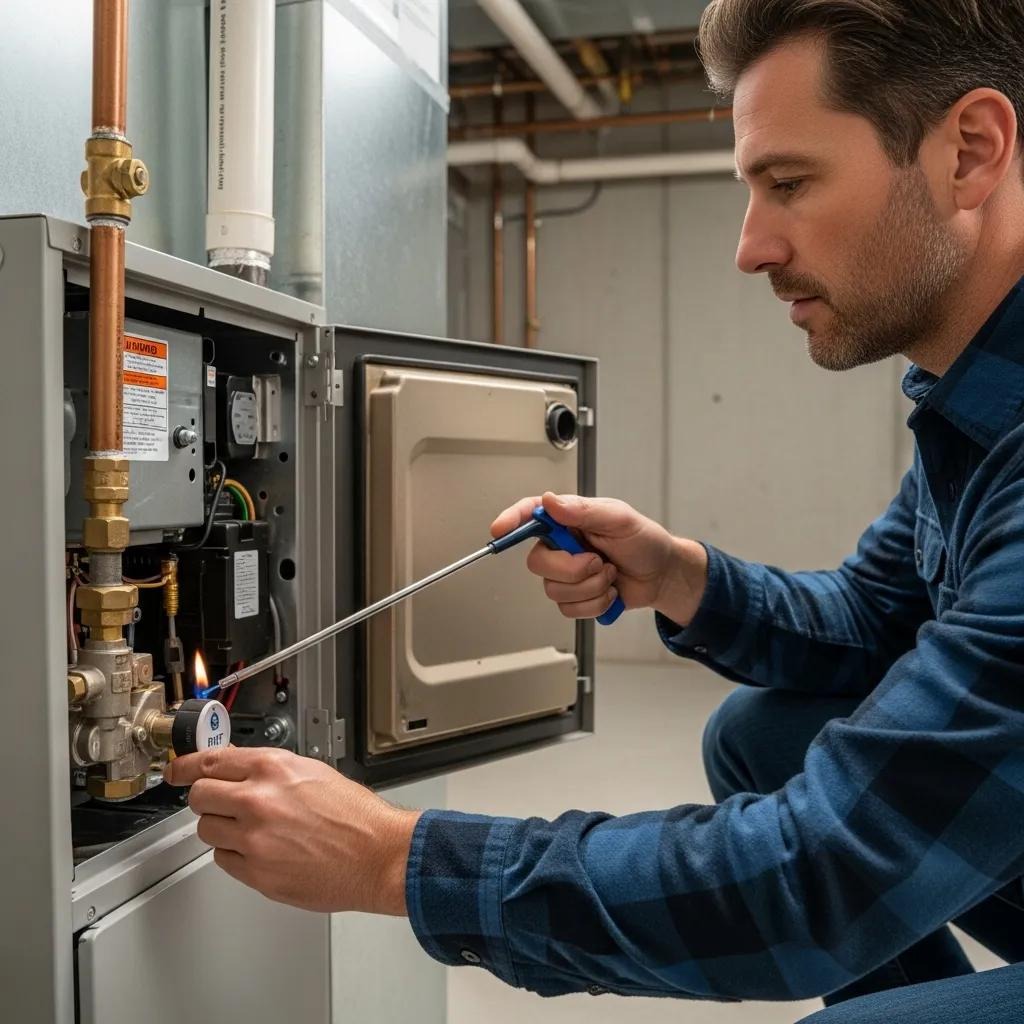
Relighting a furnace pilot light can be a straightforward process if done safely and correctly. Following the right steps ensures that you avoid potential hazards associated with gas appliances.
Tools you may need: a long-reach lighter or match, a flashlight for visibility, a wrench or screwdriver to access panels, soapy water for leak checks, and work gloves. If you have a multimeter and appropriate training you can check thermocouple continuity, but most homeowners can follow the basic relight sequence safely without electrical diagnosis.
- Turn Off the Gas Supply: Before attempting to relight the pilot light, turn off the gas supply to the furnace and wait for a few minutes to allow any accumulated gas to dissipate.
- Locate the Pilot Light Assembly: Find the pilot light assembly, which is usually near the burner. You may need to remove a cover panel to access it.
- Set the Gas Control Valve to Pilot: Turn the gas control valve to the Pilot position. This allows gas to flow to the pilot light.
- Light the Pilot: Using a long lighter or match, ignite the pilot light while holding down the reset button on the gas control valve. Continue to hold the button for about 30 seconds after the pilot light is lit to ensure it stays on.
- Return the Gas Control Valve to On: Once the pilot light is stable, turn the gas control valve back to the On position.
If the pilot will not remain lit after following these steps, do not repeatedly try to relight without addressing underlying causes. Repeated relighting attempts can flood the area with unburned gas and create a hazardous situation. Instead, note the behavior (for example: lights but goes out in 10–20 seconds, or will not light at all) and consult a professional.
What Safety Precautions Should I Take Before Relighting?
Before relighting the pilot light, it is crucial to take several safety precautions to prevent accidents:
- Ensure Proper Ventilation: Make sure the area is well-ventilated to avoid gas buildup.
- Check for Gas Leaks: Use a gas leak detector or soapy water to check for leaks around the gas line and connections.
- Have a Fire Extinguisher Nearby: Keep a fire extinguisher accessible in case of an emergency.
- Follow Manufacturer Instructions: Always refer to the furnace's manual for specific relighting instructions and safety guidelines.
Additionally, ensure carbon monoxide detectors in the home are functioning and have fresh batteries. If you smell gas strongly or suspect a significant leak, do not attempt to relight—evacuate and contact emergency services or your gas utility immediately. Always work slowly and deliberately when accessing controls and components.
When Is It Better to Call a Professional HVAC Technician?
While many homeowners can safely relight their pilot lights, certain situations warrant calling a professional HVAC technician. If you notice persistent issues with the pilot light, such as frequent extinguishing or unusual smells, it is essential to seek expert help. Additionally, if you are uncomfortable performing the relighting process or suspect a more significant issue with your furnace, a qualified technician can diagnose and resolve the problem effectively.
Examples of when to call a technician: persistent outages after relighting, visible damage to pilot assembly or thermocouple, persistent sooting or a yellow flame (which can indicate poor combustion), electrical control malfunctions, or any gas odor that does not dissipate after ventilation. A technician will have the tools to test gas pressure, check valve function, and evaluate control circuits safely.
When Should I Call a Professional for Furnace Pilot Light Repair?
Recognizing when to call a professional for furnace pilot light repair can save you time and prevent further damage to your heating system.
What Are the Signs of a Faulty Ignition System or Thermocouple?
Several signs indicate a faulty ignition system or thermocouple, including:
- Frequent Pilot Light Outages: If the pilot light goes out repeatedly, it may indicate a malfunctioning thermocouple or gas valve.
- Delayed Ignition: A delay in the pilot light igniting when the furnace is turned on can signal issues with the ignition system.
- Unusual Noises: Strange sounds, such as clicking or hissing, may suggest problems with the ignition components.
Keep a log of the symptoms—what time of day the failure occurs, whether it follows a power outage, or whether the furnace runs only intermittently. This information helps a technician diagnose intermittent faults faster and reduces diagnostic time during a visit.
How Does Malibu Heating and Air Provide Local Expert Furnace Repair?
Malibu Heating and Air specializes in furnace repair services, including addressing pilot light issues. Our team of experienced HVAC technicians is trained to diagnose and repair a wide range of furnace problems, ensuring your heating system operates safely and efficiently. We understand the importance of timely service, especially during the colder months, and are committed to providing reliable solutions for homeowners in Gilroy, San Jose, Santa Clara, and surrounding South Bay Area communities.
When technicians arrive, they typically perform a series of checks: visual inspection of pilot and burner flames, testing thermocouple and control circuits, checking for gas leaks, and verifying safe operation after repair. Preparing a short list of observed symptoms and any recent service history helps the technician prioritize tests and repairs.
How Does Proper Furnace Ignition Improve Energy Efficiency and Lower Heating Bills?
Proper furnace ignition is crucial for maintaining energy efficiency and reducing heating costs. When the pilot light functions correctly, it ensures that the furnace operates at optimal performance, leading to lower energy consumption and reduced utility bills.
A stable, properly adjusted pilot light and ignition system support efficient combustion. That means the furnace reaches set temperatures more reliably, cycles less frequently, and avoids conditions that can lead to incomplete combustion and wasted fuel. Over time, small inefficiencies compound into noticeable increases on utility bills, so keeping ignition components in good order pays back through lower energy use.
What Energy Wastes Are Caused by Pilot Light or Ignition Failures?
Pilot light or ignition failures can lead to significant energy waste in several ways:
- Increased Gas Consumption: A malfunctioning pilot light may cause the furnace to use more gas than necessary, leading to higher bills.
- Frequent Cycling: If the furnace frequently cycles on and off due to ignition issues, it can waste energy and reduce overall efficiency.
- Inefficient Heating: Inconsistent heating caused by pilot light problems can result in uneven temperatures throughout the home, leading to increased energy use.
Addressing ignition inefficiencies early keeps the system balanced and helps other efficiency measures—like clean filters and proper thermostat settings—deliver their full benefit.
How Can Regular Maintenance Prevent Energy Loss?
Regular maintenance is essential for preventing energy loss and ensuring your furnace operates efficiently. Key maintenance practices include:
- Annual Inspections: Schedule annual inspections with a qualified HVAC technician to identify and address potential issues before they escalate.
- Cleaning Components: Regularly clean the pilot light assembly, thermocouple, and gas valve to ensure they function correctly.
- Replacing Worn Parts: Replace any worn or damaged components promptly to maintain optimal performance.
In addition to annual service, simple homeowner tasks such as replacing air filters, keeping vents clear, and ensuring intake and exhaust pathways are not obstructed help the furnace run smoothly and avoid unnecessary strain on ignition components.
What Preventative Maintenance Tips Keep Your Furnace Pilot Light Reliable?
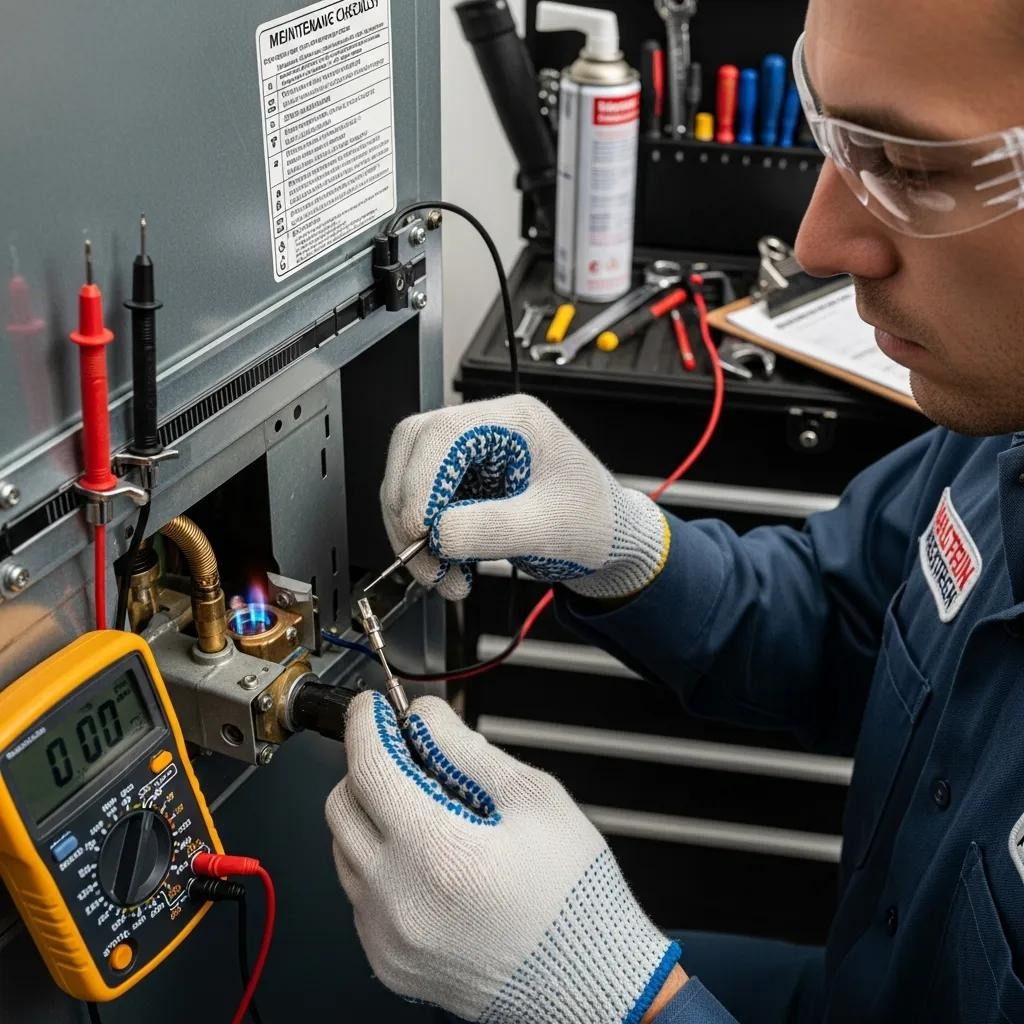
Preventative maintenance is vital for ensuring the reliability of your furnace pilot light and overall heating system. For homeowners looking to ensure their systems run smoothly, scheduling regular heating system maintenance is highly recommended.
Simple preventative actions you can take include keeping the furnace area free of dust and debris, checking and replacing air filters regularly, avoiding placing items that create drafts near the furnace, and ensuring the flue and vents are clear of nests or blockages. These steps reduce strain on ignition components and support clean combustion.
How Often Should You Schedule Heating System Maintenance?
It is recommended to schedule heating system maintenance at least once a year, ideally before the heating season begins. This proactive approach allows technicians to identify and address any potential issues, ensuring your furnace operates efficiently throughout the winter months.
Homes with heavier furnace usage, pets, indoor smokers, or older equipment may benefit from more frequent checks. If you notice declining performance, increased cycling, or repeated pilot issues, arrange service sooner rather than later to prevent escalation.
Which Furnace Components Should Be Inspected Regularly?
Regular inspections should focus on several key components of your furnace, including:
- Thermocouple: Check for proper function and replace if necessary.
- Gas Valve: Ensure the gas valve operates smoothly and does not leak.
- Pilot Light Assembly: Clean and inspect the pilot light assembly for any blockages or wear.
In addition to these parts, technicians typically inspect burners, heat exchangers, wiring, gas fittings, venting, and the thermostat to ensure the whole system works together safely and efficiently. Regular checks reduce the chance of surprise failures and extend equipment life.
What Are the Safety Considerations When Troubleshooting Furnace Pilot Light Problems?
Safety is paramount when troubleshooting furnace pilot light problems. Understanding the risks and taking appropriate precautions can prevent accidents and ensure a safe working environment.
How Do Safety Sensors and Updated Gas Furnace Codes Protect You?
Modern furnaces are equipped with safety sensors that monitor the pilot light and gas flow. These sensors help prevent gas leaks and ensure that the furnace operates safely. Additionally, updated gas furnace codes require specific safety measures to protect homeowners from potential hazards.
Sensors, automatic shutoffs, and modern control logic limit unsafe operation and provide a layer of protection that older systems may lack. If your furnace is an older model, discussing upgrades with a qualified HVAC professional can improve safety and efficiency.
What Are the Risks of DIY Repairs Without Proper Knowledge?
Attempting DIY repairs without proper knowledge can pose significant risks, including:
- Gas Leaks: Improper handling of gas components can lead to dangerous leaks.
- Furnace Damage: Incorrect repairs may cause further damage to the furnace, leading to costly repairs.
- Personal Injury: Working with gas appliances without adequate training can result in serious injuries.
If a repair involves cutting into gas lines, altering control wiring, or servicing the burner assembly, it is best left to a licensed technician. Small adjustments and cleaning are typically safe for able homeowners; anything more involved should be handled by professionals with the proper certifications and tools.
How Can I Identify and Fix Furnace Ignition Problems Beyond the Pilot Light?
Identifying and fixing ignition problems beyond the pilot light is essential for maintaining a fully functional heating system.
What Are Common Heater Ignition System Failures?
Common ignition system failures include:
- Faulty Ignitors: Ignitors that fail to spark can prevent the furnace from igniting.
- Worn Out Thermocouples: As previously mentioned, a malfunctioning thermocouple can lead to pilot light issues.
- Electrical Problems: Issues with wiring or connections can disrupt the ignition process.
Troubleshooting these failures often follows a logical path: verify power and thermostat calls for heat, inspect visible wiring and fuses, observe ignition attempts, and then isolate the failing component. For electrical or control-board faults a technician will use diagnostic equipment to ensure safe, accurate repairs.
When Is Thermocouple Replacement Necessary?
Thermocouple replacement is necessary when:
- Frequent Pilot Light Outages: If the pilot light goes out often, it may indicate a faulty thermocouple.
- Inconsistent Heating: If the furnace struggles to maintain consistent heating, a malfunctioning thermocouple may be the cause.
- Physical Damage: Any visible damage to the thermocouple warrants immediate replacement.
When replacing a thermocouple, using the correct length and thread type for your furnace model is important to ensure proper fit and reliable operation. A competent technician will match the part to the manufacturer specifications and confirm safe operation after installation.
How Does Malibu Heating and Air Support South Bay Area Homeowners with Furnace Pilot Light Issues?
Malibu Heating and Air is dedicated to supporting South Bay Area homeowners with expert furnace repair services, including pilot light issues.
What Makes Our HVAC Technicians Trusted Experts in Gilroy and San Jose?
Our HVAC technicians are highly trained and experienced in diagnosing and repairing furnace problems. We prioritize customer satisfaction and safety, ensuring that every service is performed to the highest standards. Our commitment to quality and reliability has made us a trusted choice for homeowners in the region.
We focus on clear communication: describing findings, outlining repair options, and explaining the safety and efficiency benefits of work performed. If a larger repair or replacement is necessary, we discuss options that match the home's needs and energy goals so you can decide with confidence.
For those considering upgrading their heating systems, heat pump installation can be a great option. These systems are energy-efficient and provide reliable heating and cooling.
How to Schedule Emergency Furnace Service and Maintenance?
To schedule emergency furnace service and maintenance, contact Malibu Heating and Air directly. Our team is available to assist you with urgent heating issues, ensuring your home remains warm and comfortable during the colder months. Timely maintenance and repairs can prevent further complications and extend the lifespan of your heating system.
When you call for emergency service, have the following information ready to speed the response: your furnace make and model (if available), a short description of the symptom, any recent service history or error codes, and whether anyone in the home has health considerations affected by loss of heat. This helps dispatch the right technician and parts, reducing time to repair.
Keep Your Home Warm and Safe with Expert Furnace Care
Don’t let pilot light problems disrupt your comfort. Trust Malibu Heating and Air for professional furnace repair, maintenance, and emergency service in the South Bay Area. Our experienced technicians are ready to help you maintain a safe, efficient heating system all winter long. Schedule Service Today.